

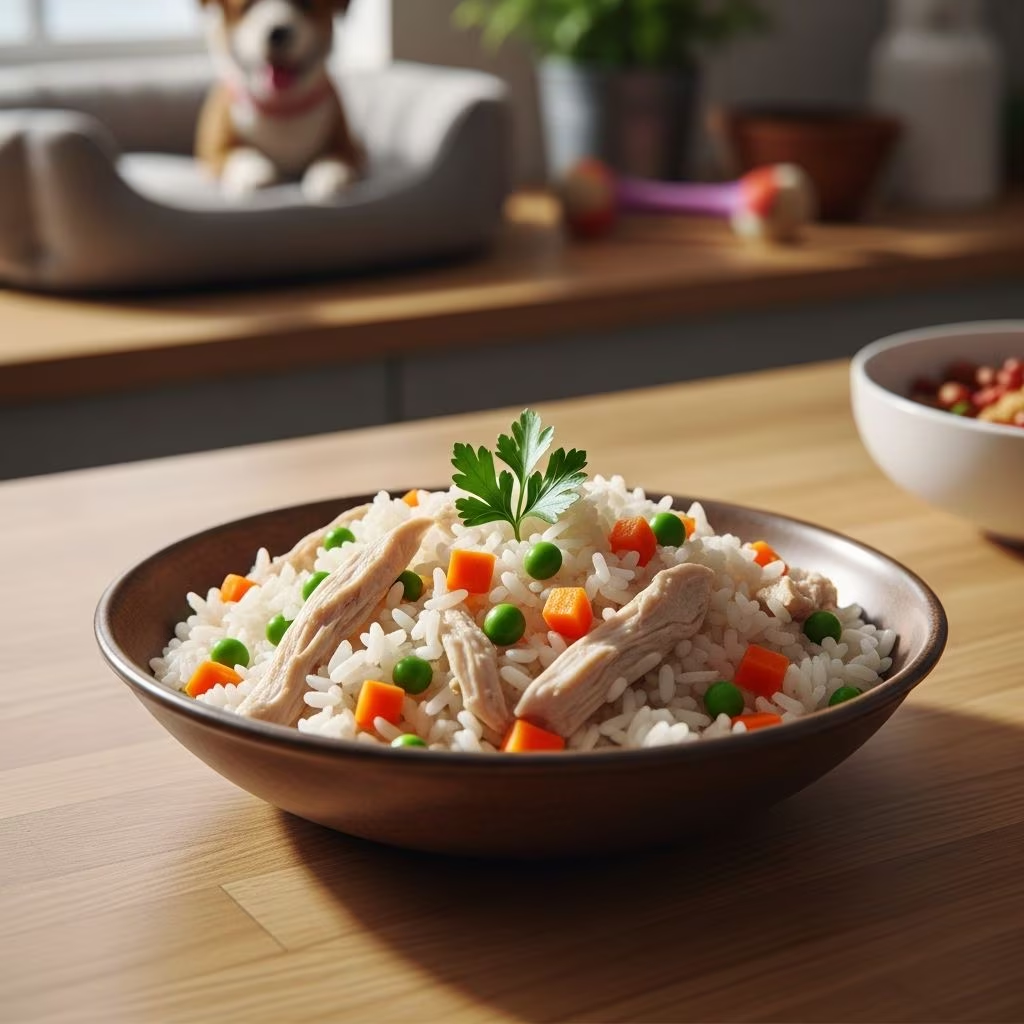
Chicken and Rice for Dogs: The Ultimate Canine Comfort Food
When your beloved canine companion experiences digestive distress, finding the right food can make all the difference. Chicken and rice has long been recognized as the go-to solution for dogs with upset stomachs, much like chicken soup serves as a remedy for humans. This simple yet effective combination is not only safe for dogs but also provides the digestive relief they need during times of gastrointestinal discomfort. Whether your dog is dealing with diarrhea or other stomach issues, understanding how to properly prepare and serve chicken and rice can help restore their digestive health and get them back to their happy, energetic selves.
Why Chicken and Rice is Ideal for Dogs with Upset Stomachs
The effectiveness of chicken and rice as a remedy for canine digestive problems lies in its nutritional composition and digestibility. Boiled chicken is exceptionally low in fat and high in protein, making it gentle on the digestive system while still providing essential amino acids for muscle maintenance. Rice, particularly white rice, is starchy and low in fiber, which creates a binding effect that helps firm up loose stools and reduce diarrhea. This combination works synergistically to provide your dog’s digestive system with exactly what it needs when experiencing upset stomach issues.
According to veterinary experts, this basic recipe is significantly less likely to cause additional stomach upset compared to regular kibble or canned food. The bland nature of the meal ensures that your dog’s system isn’t further irritated, while the easily digestible ingredients allow their stomach to settle and heal more quickly. Many veterinarians recommend this combination as a first-line response to acute digestive issues.
Homemade Chicken and Rice Recipe for Dogs
Preparing chicken and rice for your dog is straightforward and requires only a few simple ingredients and basic cooking skills. Here’s everything you need to know to make this nourishing meal at home.
Ingredients You’ll Need
- 1 cup white rice, uncooked
- 3 boneless, skinless chicken breasts
- Water or optional chicken broth (homemade, unseasoned)
Step-by-Step Preparation Instructions
Step 1: Cook the Rice – Begin by cooking your white rice according to the package label directions. Use a pot with a tight-fitting lid and follow the standard water-to-rice ratio recommended by the rice manufacturer. The rice will serve as the starchy base of the meal.
Step 2: Prepare the Chicken – While the rice is cooking, place your boneless, skinless chicken breasts in a separate pot and fill it with enough water to completely submerge the chicken. Cover the pot with a lid to retain heat and moisture during cooking.
Step 3: Boil the Chicken – Bring the water to a boil and maintain high heat for approximately 12 minutes, or until the chicken is completely cooked through. If you’re using homemade broth instead of water, be sure to cook the chicken before preparing the rice, and carefully skim any fat from the broth surface. Fat can be irritating to sensitive digestive systems.
Step 4: Shred the Chicken – Once the chicken is fully cooked, remove it from the hot water and allow it to cool slightly. Using a fork, shred the chicken into small, bite-sized pieces. This makes it easier for your dog to eat and digest, and prevents any risk of choking hazards.
Step 5: Combine Ingredients – Mix the shredded chicken uniformly throughout the cooked rice, ensuring even distribution of the protein throughout the meal. This creates a balanced mixture with each bite.
Step 6: Cool Completely – Before serving to your dog, allow the mixture to cool completely to room temperature. Serving hot food can cause additional stomach discomfort. Excess portions can be stored in the refrigerator for up to three days or frozen for longer-term storage.
When to Choose Chicken and Rice for Dogs
Chicken and rice is particularly beneficial during specific circumstances when your dog needs dietary support. This meal is an excellent choice when your dog experiences diarrhea or other digestive upset, as the bland, easily digestible nature reduces further irritation. It’s also useful during recovery periods from illness or after veterinary procedures, when your dog’s digestive system needs gentle support.
One of the key advantages of chicken and rice is that both ingredients are considered safe foods for dogs, unlike many human foods that can be toxic or harmful. This makes it a reliable option you can confidently prepare at home knowing you’re providing only ingredients that are suitable for canine consumption. The low-fat, high-protein profile makes it suitable for dogs of various ages and sizes.
Many pet owners find that chicken and rice serves as an effective bridge diet between problematic commercial foods and regular kibble, allowing the digestive system to reset and recover naturally. It’s particularly useful when transitioning dogs to new foods or when managing food sensitivities.
Essential Dos and Don’ts of Chicken and Rice for Dogs
While chicken and rice is a simple recipe, there are important guidelines to follow to maximize its benefits and ensure your dog’s safety.
Critical Do’s
- Do use white rice, specifically long-grain white rice for optimal digestibility and stomach-soothing properties
- Do cook the chicken thoroughly to eliminate any potential bacteria
- Do allow the meal to cool completely before serving
- Do maintain a 1:1 or 2:1 ratio of rice to chicken for balanced nutrition
- Do monitor your dog’s response and adjust portions as needed
Critical Don’ts
- Do not use brown rice, despite some recommendations. Brown rice contains extra fiber, which can be more difficult to digest and may worsen diarrhea rather than help resolve it
- Do not add any seasonings, salt, garlic, onions, or other extras to the recipe. These additions can irritate the digestive system and defeat the purpose of the bland diet
- Do not use chicken broth containing sodium or seasonings; only use plain, unseasoned homemade broth
- Do not include the chicken skin, as the fat content can be too much for a sensitive stomach
- Do not feed chicken and rice as a long-term permanent diet
Important Nutritional Considerations
While chicken and rice is excellent for short-term digestive support, it’s crucial to understand that this meal is not nutritionally complete or balanced for long-term feeding. The primary limitation is that chicken and rice is deficient in several essential vitamins and minerals, most notably calcium. A dog consuming only chicken and rice for an extended period would not receive the well-rounded nutrition provided by a complete and balanced commercial dog food formulated with all necessary micronutrients.
Veterinary nutritionists emphasize that chicken and rice should be viewed as a temporary therapeutic diet, typically used for three to seven days during acute digestive issues. Once your dog’s digestive system stabilizes and stools return to normal, you should gradually reintroduce their regular balanced diet to ensure they receive all necessary nutrients for long-term health.
When to Contact Your Veterinarian
While chicken and rice is an effective home remedy for many cases of mild digestive upset, it’s important to know when professional veterinary care is necessary. If your dog’s diarrhea or digestive symptoms do not begin to resolve after several days of feeding chicken and rice, you should contact your veterinarian. Persistent digestive issues can indicate underlying health problems that require professional diagnosis and treatment.
Additionally, seek veterinary care if your dog exhibits other symptoms alongside digestive upset, such as vomiting, lethargy, loss of appetite, blood in stool, or signs of severe abdominal discomfort. These symptoms may indicate more serious conditions requiring immediate medical attention.
Storage and Food Safety Guidelines
Proper storage of chicken and rice ensures both food safety and meal convenience. Refrigerated portions will keep for up to three days in an airtight container. For longer storage, freeze portions in ice cube trays or portion-sized containers for up to three months. This allows you to thaw small portions as needed for your dog.
Always ensure that stored portions are properly sealed to prevent contamination and freezer burn. When thawing frozen chicken and rice, move it to the refrigerator overnight rather than thawing at room temperature, which can promote bacterial growth. Discard any portions that have been left at room temperature for more than two hours.
Comparing Chicken and Rice to Commercial Bland Diet Options
| Option | Advantages | Disadvantages |
|---|---|---|
| Homemade Chicken & Rice | Complete control over ingredients, low cost, fresh preparation | Requires cooking time, not nutritionally complete long-term |
| Prescription Bland Diet Foods | Veterinarian-formulated, complete nutrition, ready-to-serve | More expensive, less variety in ingredients |
| Commercial Bland Canned Foods | Convenient, shelf-stable, designed for sensitive digestion | Contains additives, higher cost than homemade |
Transitioning Back to Regular Dog Food
Once your dog’s digestive system has stabilized and symptoms have resolved, it’s important to gradually transition back to their regular diet. Abrupt diet changes can trigger another round of digestive upset. Begin by mixing 75 percent chicken and rice with 25 percent of their regular food. Over the course of three to five days, gradually increase the proportion of regular food while decreasing the chicken and rice until your dog is back to their normal diet.
During this transition period, continue monitoring your dog’s stool consistency and overall demeanor. If digestive upset returns, slow the transition process and consult with your veterinarian about whether the original food might be causing problems or if underlying food sensitivities exist.
Frequently Asked Questions About Chicken and Rice for Dogs
Q: How long can I feed my dog chicken and rice?
A: Chicken and rice is intended as a short-term remedy, typically used for three to seven days. Due to its lack of complete and balanced nutrition, it should not be fed as a permanent diet without veterinary supervision and supplementation.
Q: Can I add vegetables to the chicken and rice?
A: During the acute digestive upset phase, it’s best to keep the meal plain with only chicken and rice. Once your dog improves, plain steamed vegetables like pumpkin or sweet potato can be added in moderation.
Q: Is white rice or brown rice better for dogs with diarrhea?
A: White rice is significantly better for dogs with diarrhea. Long-grain white rice is starchy and low in fiber, creating a binding effect. Brown rice contains extra fiber, which can actually worsen digestive upset.
Q: Can I use chicken broth instead of water?
A: You can use homemade, unseasoned chicken broth if desired, but plain water works just as well. Avoid any commercial broths containing sodium, seasonings, or garlic, as these can irritate sensitive digestive systems.
Q: What should I do if my dog doesn’t improve after a few days?
A: If your dog’s diarrhea persists beyond three to five days of feeding chicken and rice, contact your veterinarian. Persistent digestive issues may indicate underlying health problems requiring professional diagnosis and treatment.
Q: Can puppies eat chicken and rice?
A: Yes, puppies can eat chicken and rice, though it’s not ideal as a sole diet due to developing nutritional needs. Use it only for short-term digestive support and quickly return to a puppy-formulated balanced diet.
Q: How much chicken and rice should I feed my dog?
A: Feed approximately the same portion size as your dog’s regular meals. A general guideline is 1 to 2 cups of the prepared mixture daily, divided into two or three smaller meals, though amounts vary by dog size.
References
- Chicken and Rice for Dogs is the Ultimate Canine Comfort Food — Chewy. Retrieved from https://www.chewy.com/education/dog/general/chicken-and-rice-for-dogs
- Understanding Canine Digestive Health — American Veterinary Medical Association. https://www.avma.org
- Nutritional Requirements for Dogs — Association of American Feed Control Officials (AAFCO). https://www.aafco.org
- Gastrointestinal Health in Companion Animals — American Animal Hospital Association. https://www.aaha.org



